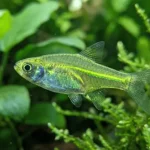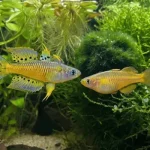
Nano fish lose color when stress disrupts chromatophores, the pigment-containing cells in their skin that control hue and saturation. This color fading is not cosmetic. It is your first visible warning that water quality, diet, social conditions, or tank setup are failing your fish. Color loss signals environmental imbalance in nano tanks faster than in larger setups because small water volumes allow parameter swings to escalate within hours. Understanding why nano fish lose color gives you a direct path to fixing the problem before it turns into something worse.
Why do nano fish lose color? the core causes
Color fading in nano fish is defined by one underlying mechanism: stress triggers the release of cortisol, which causes chromatophores to contract and reduces visible pigmentation. Cortisol causes chromatophores to contract, dulling color almost immediately. Chronic stress suppresses pigment production at the cellular level, meaning prolonged dullness even after the stressor is removed.
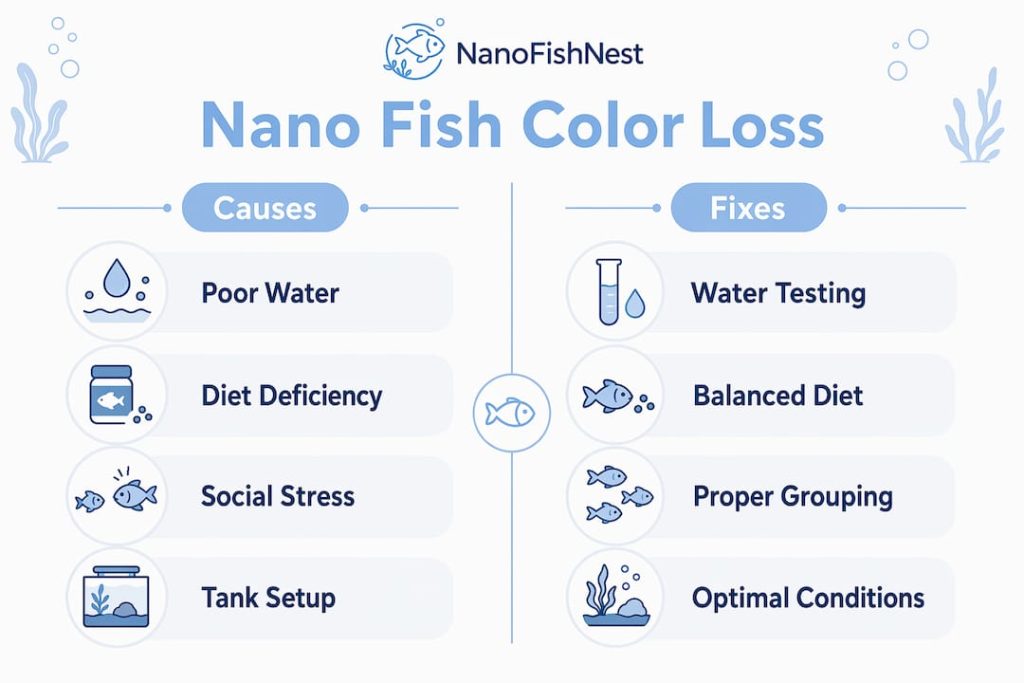
The four primary causes of nano fish color fading are poor water quality, inadequate diet, social stress, and unsuitable tank conditions. Each one acts on chromatophores differently, but all produce the same result: a fish that looks washed out, pale, or gray where it once showed vivid reds, blues, or oranges. Treating color loss as a stress signal, rather than a cosmetic issue, is the fastest way to reverse it.
How do water quality factors cause nano fish color loss?
Water quality is the most common driver of color fading in nano aquariums. Ammonia spikes and pH mismatch cause chromatophore contraction and pigment reduction within hours. Elevated nitrate produces chronic, low-grade stress that keeps fish dull even when ammonia and nitrite read zero.
The targets that prevent fading are specific:
- Ammonia: 0 ppm at all times. Any detectable level stresses fish immediately.
- Nitrite: 0 ppm. Nitrite poisoning impairs oxygen transport and triggers acute stress fading.
- Nitrate: Below 20 ppm. Elevated nitrate causes chronic stress and dull coloration even without acute spikes.
- pH: Stable within the species range. For species like Microdevario kubotai, pH 6.0–7.0 and suitable hardness are required for intense coloration.
- Temperature: Consistent within the species range. Fluctuations of even 2°F stress chromatophores.
New or inadequately cycled tanks are the most common culprit. Uncycled tanks spike ammonia and nitrite and cause acute stress fading that beginners often misread as disease. Weekly partial water changes combined with regular testing keep parameters stable and prevent these events.
Pro Tip: Test your water the moment you notice color fading. Do not wait for other symptoms. In a nano tank, parameters can crash within 24 hours of a biofilter disruption.
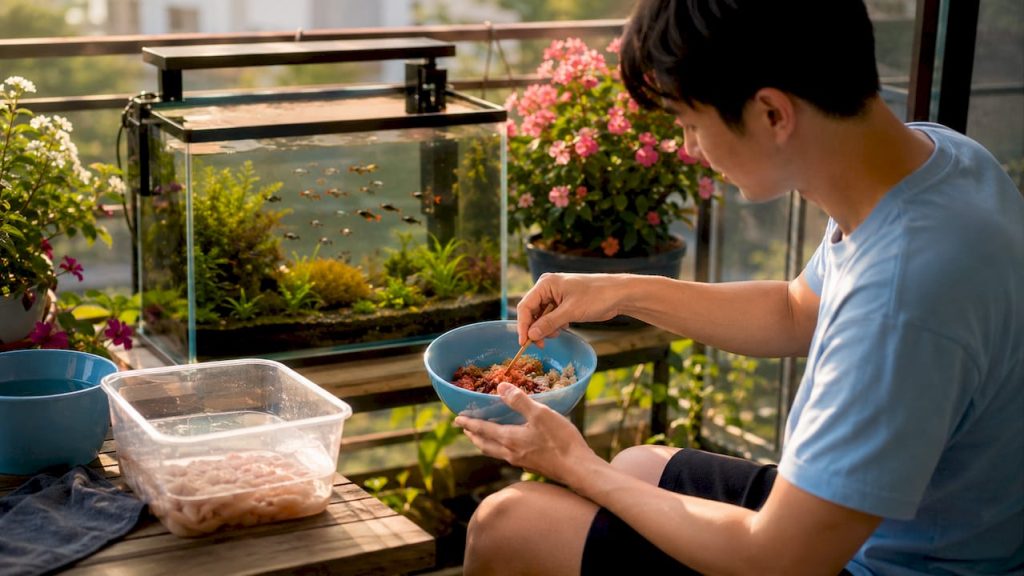
What role does diet play in maintaining nano fish coloration?
Diet is the second most overlooked cause of color loss after water quality. Fish cannot synthesize carotenoids on their own. Carotenoids like astaxanthin, lutein, and β-carotene are the building blocks of red, orange, and yellow pigmentation, and they must come entirely from food. A diet of plain flake food alone will gradually fade any nano fish that naturally displays warm hues.
A color-supporting feeding routine includes:
- Color-enhancing flakes or pellets formulated with astaxanthin or spirulina as primary ingredients. Check the label. If carotenoids are not listed in the first five ingredients, the food will not maintain color.
- Frozen or live foods like daphnia, bloodworms, and brine shrimp. These provide natural carotenoid sources and stimulate feeding behavior that reduces stress.
- Variety rotation. Feed at least two different food types per week. Monotonous diets deplete specific nutrients over time.
- Supplementation when needed. A 2026 study found that astaxanthin at 0.015% of total diet significantly enhanced pigmentation and antioxidant activity in ornamental fish. This level is achievable with quality commercial foods.
Color improvements from dietary changes take two to four weeks to become visible. Pigment cells need time to rebuild their carotenoid stores after depletion.
Pro Tip: Rotate between frozen brine shrimp and a high-carotenoid flake on alternating days. This single change produces noticeable color improvement in most nano fish within three weeks.
How does social environment and tank setup influence color retention?
Social stress is the factor most beginners miss entirely. Schooling nano fish kept in groups that are too small show chronic stress fading that no amount of water testing will fix. Exclamation Point Rasboras require at least 10 individuals to maintain bold color. Fewer fish hide, school erratically, and fade because the group size falls below their behavioral threshold for security.
The comparison below shows how social and habitat conditions affect color expression:
| Factor | Color-Positive Setup | Color-Negative Setup |
|---|---|---|
| Group size | 10+ individuals for schooling species | 3–5 fish, causing hiding and stress |
| Tank mates | Peaceful, similar-sized species | Aggressive or fin-nipping species |
| Substrate color | Dark substrate, reflects natural habitat | Bright white gravel, increases stress |
| Plant cover | Dense planting with open swimming space | Bare tank with nowhere to shelter |
| Tank size | Appropriate for species minimum | Overcrowded or undersized |
Aggressive tank mates produce the same cortisol-driven fading as poor water quality. A nano fish that is constantly chased or nipped will stay pale regardless of how clean the water is. Social factors like shoal size affect coloration as much as environmental parameters in schooling species. Dark substrate and dense planting reduce ambient stress by mimicking natural habitats, which directly supports chromatophore function.
What natural and physiological factors contribute to color loss?
Not all color fading signals a problem. Some color changes are normal and reversible. Recognizing the difference prevents unnecessary interventions that add stress and worsen the situation.
| Type of Color Change | Cause | Reversible? |
|---|---|---|
| Gradual overall fading | Age-related decline in melanin production | No |
| Overnight pattern shift | Nocturnal color change (e.g., pencilfish) | Yes, returns with light |
| Acute pale or gray color | Stress from water quality or social factors | Yes, with correction |
| Faded warm hues only | Carotenoid depletion from poor diet | Yes, with dietary change |
| Genetic baseline color | Species or strain limitation | Not applicable |
Aging fish show gradual fading due to reduced melanin production, similar to how hair loses pigment in humans. This is a slow process measured in months or years, not days. Acute color loss that appears over 24–72 hours is almost always stress-induced and correctable.
Pencilfish exhibit nocturnal fading that returns fully when the lights come on. Misreading this as a health problem and responding with medication or water changes adds unnecessary stress. Observe your fish at different times of day before concluding the cause of any color shift.
How to diagnose and reverse color loss in your nano fish
Reversing color fading follows a specific sequence. Skipping steps wastes time and can make things worse.
- Test water immediately. Check ammonia, nitrite, nitrate, pH, and temperature. This takes 10 minutes and eliminates or confirms the most common cause. Target ammonia and nitrite at 0 ppm and nitrate below 20 ppm.
- Perform a partial water change. A 25–30% water change with dechlorinated, temperature-matched water reduces nitrate and dilutes any toxins. Do this the same day you test, not a week later.
- Audit the diet. Switch to a carotenoid-rich food if you have not already. Add frozen daphnia or brine shrimp to the rotation. Combining pigment supplementation with stable water quality improves color expression more effectively than either change alone.
- Check group size and tank mates. Count your schooling fish. If you are below the species minimum, add more. Remove any aggressive tank mates that are causing visible chasing or nipping.
- Evaluate tank setup. Add dark substrate or background if the tank is bare and bright. Introduce live plants like Java fern or Anubias to create shelter zones.
- Observe and wait. Color returns gradually over two to four weeks once stressors are removed. Document changes with photos every few days to track progress objectively.
Pro Tip: Keep a simple log of water test results and feeding dates. Patterns in the data reveal the root cause faster than guessing. Most color loss cases trace back to one consistent parameter that drifts out of range.
Key takeaways
Nano fish color fading is a stress response driven by water quality failures, dietary deficiencies, social pressure, and unsuitable tank conditions, and it is reversible when you address the root cause directly.
| Point | Details |
|---|---|
| Color loss is a stress signal | Fading means chromatophores are contracting due to cortisol from environmental or social stress. |
| Water quality is the first check | Test ammonia, nitrite, nitrate, and pH before assuming diet or aging is the cause. |
| Diet must include carotenoids | Fish cannot make their own pigments; feed astaxanthin-rich foods and live or frozen options weekly. |
| Group size matters for schooling species | Species like Exclamation Point Rasbora need 10+ individuals to maintain bold, stable color. |
| Some fading is normal | Nocturnal pattern shifts and age-related fading are not emergencies and require no intervention. |
What i’ve learned watching nano fish fade and recover
The mistake I see most often is hobbyists chasing pigments before diagnosing stress. They buy color-enhancing food, add supplements, and upgrade lighting, while the real problem is a nitrate reading of 40 ppm or a group of five rasboras that should be twelve. The fish stay pale because the stressor is still active.
Nano tanks amplify every mistake. A missed water change in a 5-gallon tank does more damage in 48 hours than the same miss in a 55-gallon setup. I have watched fish recover full color within three weeks of a simple fix: a consistent weekly water change schedule and a switch to a carotenoid-rich food. No supplements, no special lighting, just stability.
The other thing worth saying is this: watch your fish’s behavior before you test the water. A school that is tight and hiding in one corner is telling you something is wrong before the test kit confirms it. Behavioral cues precede visible color loss by hours. If you learn to read them, you catch problems earlier and the recovery is faster.
Consistent maintenance beats reactive treatment every time. The hobbyists who keep the most vibrant nano fish are not the ones with the most expensive equipment. They are the ones who test weekly, feed varied diets, and keep their group sizes right.
— Adrian
Keep your nano fish colorful with Nanofishnest
Color loss is fixable when you know what to look for. Nanofishnest provides species-specific guides on group sizes, compatible tank mates, and feeding schedules designed specifically for nano fish like rasboras, ember tetras, and pencilfish.
Whether you are troubleshooting a fading school or setting up a new nano tank from scratch, Nanofishnest expert guides cover the exact parameters, social setups, and diet plans that keep small fish vibrant and healthy. The site combines scientifically-backed methods with community-tested results, including practical outcomes like raising 200 ember tetra fry from just six fish. If you are serious about nano aquariums, it is the resource worth bookmarking.
FAQ
Why do nano fish lose color overnight?
Overnight color loss is most often caused by a sudden ammonia or nitrite spike in an uncycled or disrupted tank. Some species like pencilfish also show natural nocturnal fading that reverses when the lights return, so observe the fish in the morning before concluding there is a problem.
Can poor diet alone cause nano fish color fading?
Yes. Fish cannot produce carotenoids internally, so a diet lacking astaxanthin, lutein, or β-carotene will gradually deplete red, orange, and yellow pigmentation. Switching to a carotenoid-rich food and adding frozen foods like brine shrimp typically restores color within two to four weeks.
How many fish do i need to prevent stress fading in schooling species?
Group size requirements vary by species. Exclamation Point Rasboras need at least 10 individuals to display bold color and reduce hiding behavior. Keeping schooling nano fish in groups below their minimum causes chronic social stress that fades color regardless of water quality.
Does aging cause permanent color loss in nano fish?
Age-related fading is real and gradual, caused by reduced melanin production over time. It differs from stress-induced fading because it develops over months or years, not days, and does not respond to water changes or dietary adjustments.
What water parameters should i target to prevent color fading?
Keep ammonia and nitrite at 0 ppm, nitrate below 20 ppm, and pH stable within your species’ preferred range. For many nano species, pH 6.0–7.0 with appropriate hardness prevents osmotic stress and supports full pigment expression.